
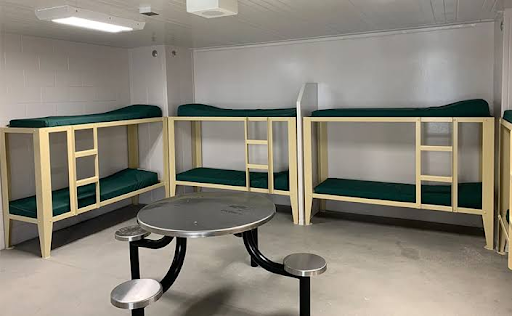
Designing a correctional or juvenile justice facility is unlike planning any other building type. Every door, window, wall, and ceiling has to balance safety, durability, budget, and the dignity of the people inside. When specialists join the conversation early, those decisions get sharper. That is why experienced detention equipment contractors are increasingly brought in during preconstruction instead of waiting for the bid phase. Their field knowledge helps architects, owners, and general contractors avoid redesigns, price surprises, and schedule delays. This article walks through how that early partnership works and why it protects both the project and the people who will use the facility.
Why Does Early Involvement Matter in Secure Facility Design?
Secure facilities carry requirements that ordinary projects never face. Locking hardware, security glazing, and detention-grade doors all have to work together as one system, and a design that looks perfect on paper can still fail once it reaches fabrication or daily operation.
Contractors who manufacture, furnish, and install this equipment read drawings the way an installer does. They notice when a wall thickness does not match a frame depth, or when a ceiling type clashes with a light fixture. Catching these conflicts during design costs a fraction of what it would cost to fix them in the field. They also understand how requirements differ across federal, state, county, and private facilities, so the design starts on the right footing for its jurisdiction.
How Does Consulting Improve Product Selection?
Choosing the right products is one of the most consequential steps in preconstruction. A facility may need security doors, frames, windows, glazing hardware, wall systems, partitions, furniture, wire mesh, and ceilings, each with its own performance expectations.
A qualified contractor acts as a consultant here. They explain the practical differences between options, such as how a particular door assembly handles heavy daily use or how a ceiling system resists tampering. They also ask the questions that design teams sometimes overlook. Who will operate the building? How will staff move through it? What level of security does each zone really need?
Matching products to actual use prevents two common problems: over-specifying expensive features nobody needs, and under-specifying items that later become maintenance headaches.
How Do Lifecycle Costs and Budgeting Shape Early Decisions?
Budgets in justice construction are watched closely, and early numbers tend to stick. If the first estimate is unrealistic, the whole project suffers. Contractors help by providing pricing input while the design is still flexible, so owners are working with figures grounded in current material and labor conditions.
Just as important, they look beyond the purchase price. A cheaper product can cost far more over twenty or thirty years if it needs frequent repairs or early replacement. Walking owners through lifecycle costs lets them compare options honestly, weighing installation, service, and replacement together.
Owners who work with qualified detention equipment contractors at this stage gain a clearer picture of where money should go and where it can be safely saved. That clarity makes it easier to defend decisions to boards, funding agencies, and community stakeholders.
What Role Does Design Assist Play for Architects and Engineers?
Design assist is where the contractor’s knowledge becomes part of the drawings themselves. Instead of reviewing a finished design and listing problems, the contractor works alongside the architect and engineers while the details are still being shaped.
This can include suggesting more efficient door and frame configurations, confirming that wall systems will accommodate embedded hardware, or coordinating glazing details with surrounding construction. It also means producing accurate engineering information that the rest of the team can rely on, which reduces requests for information and change orders once building begins.
The result is a set of documents that are easier to bid, easier to build, and far less likely to produce disputes. Architects keep full control of the design intent, while gaining a partner who understands what can actually be manufactured and installed.
How Do Delivery Methods and Scheduling Affect the Project?
Every project follows a delivery method, and each one changes how a contractor contributes. In design assist, the contributions are collaborative and continuous. In design-build, the contractor may take on a larger share of responsibility for how the finished work performs. In design-bid-build, early consulting still helps shape specifications, so bids come back comparable and realistic.
Preconstruction is also the time to think about scheduling and procurement. Specialized security products often have long lead times, and ordering them late can hold up the entire job. A contractor who understands manufacturing timelines can help the team build a sequence that keeps materials arriving when crews need them. Planning for installation, owner training, warranty coverage, and future service at this stage also means the facility is ready to operate smoothly from its first day.
Why Is Early Collaboration Worth It?
Secure facilities are rarely the product of last-minute fixes. They come from careful decisions made early, with the right people at the table. By offering consulting, product guidance, cost planning, design assist, and schedule awareness, detention equipment contractors give project teams the practical insight needed to build safely and responsibly. Owners get realistic budgets, architects get dependable technical support, and general contractors get fewer surprises. If you are planning a justice or juvenile facility, you can learn more about detention equipment services with contractors such as Cornerstone and how early collaboration can strengthen your next project.
What Are the Most Common Questions About Preconstruction Support?
-
What do detention equipment contractors do during preconstruction?
Detention equipment contractors review drawings, recommend suitable products, estimate costs, and flag conflicts before bidding begins. They help teams compare options, understand lead times, and confirm that doors, glazing, ceilings, and partitions meet security requirements. This early input reduces redesign, keeps budgets realistic, and gives owners clearer expectations across the whole project team.
-
When should a contractor be brought into the design process?
Ideally during schematic design or early design development, before major material and layout decisions are locked in. Early involvement lets the contractor weigh in on door types, wall assemblies, and glazing while changes are still inexpensive. Waiting until bidding limits flexibility and often leads to costly revisions, delays, and compromises that could have been avoided.
-
How do contractors help control project costs?
Reliable detention equipment contractors provide budget pricing, compare product alternatives, and explain lifecycle costs rather than just purchase prices. They point out where a cheaper option may increase maintenance or replacement expenses later. This guidance helps owners and architects make informed trade-offs at every step while keeping the design aligned with the approved budget and security goals.
-
Can they support different project delivery methods?
Yes. Experienced contractors work within design assist, design-build, and design-bid-build structures. Their role adjusts to each model, from offering early technical guidance to coordinating procurement and installation. Regardless of the method, the goal stays consistent: accurate engineering, realistic schedules, and secure products that perform reliably. Owners should confirm roles early to avoid confusion.
-
Does early contractor input affect long-term maintenance?
Yes, it does. Product choices made during design determine how easily hardware, glazing, and doors can be serviced years later. Contractors familiar with training, warranty, and maintenance can recommend durable components and accessible layouts, helping facilities reduce downtime, repair frequency, and long-term operating expenses after the building opens for staff and owners alike.